
The most successful physical stores understand they are not just selling products; they are staging an experience. A customer’s decision to purchase, linger, or leave often happens subconsciously, influenced by the environment within seconds of entry. This is where the power of a holistic, full shop interior design approach becomes undeniable. It moves beyond superficial decoration to strategically orchestrate every spatial and sensory element to work in concert toward your commercial goals.
This comprehensive strategy transforms a static space into a dynamic commercial tool. It considers customer flow, brand storytelling, product presentation, and operational efficiency as interconnected parts of a single system. When executed well, the design itself becomes a silent salesperson, guiding visitors, enhancing product value, and building lasting emotional connections with your brand. The result is a measurable impact on dwell time, conversion rates, and average transaction value.
This article will explore the specific mechanisms through which a full-scale interior redesign revolutionizes a brick-and-mortar business. We will examine the critical components, from foundational layout principles to the finishing sensory touches, and how their integration creates a retail environment that thrives in the modern market.
The Strategic Foundation of Full Shop Design
Full shop interior design begins with a strategic plan rooted in your brand identity and customer journey. It’s not about following the latest trend, but about architecting a three-dimensional brand manifesto. Every color, material, and spatial decision must communicate who you are and who you serve.
This process starts with a deep analysis of your target customer’s in-store behavior. Where do they naturally go first? Where do bottlenecks form? How can the space alleviate pain points and create moments of delight? The floor plan is the skeleton of this strategy. A well-considered layout uses pathways to intuitively guide customers past key merchandise, balancing open, explorable areas with focused, immersive zones. The goal is to create a narrative flow that feels organic, not manipulative.
This foundational work ensures that all subsequent design choices—from major Retail Displays to minor signage—have a clear strategic purpose. It aligns the physical space with business objectives, turning square footage into a canvas for driving specific outcomes like increased accessory sales or enhanced brand premium perception.
Key Components of a Transformative Design
A holistic design transformation is built on several interconnected pillars. Neglecting one can undermine the effectiveness of the others, making an integrated approach essential.
Spatial Planning and Customer Flow
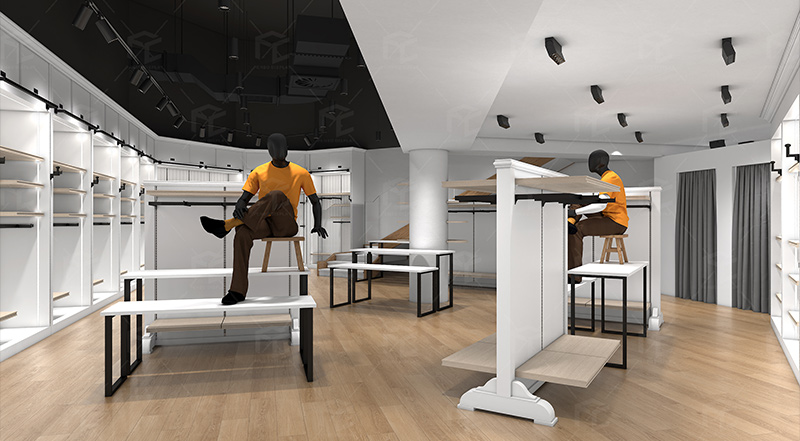
The journey through your store should feel effortless and engaging. Effective spatial planning uses zoning to create distinct areas for different activities: a vibrant welcome zone, a core product exploration area, a comfortable fitting or trial space, and a efficient transaction station. The path between these zones should be clear, avoiding dead ends and creating a natural loop that maximizes exposure to your full range. Strategic placement of high-demand items can pull customers deeper into the space, while sightlines are managed to create intrigue and discovery.
Lighting as an Atmospheric and Functional Tool
Lighting is perhaps the most potent tool in the designer’s kit. It serves a dual purpose: functional illumination and atmospheric creation. A layered lighting scheme is key. Ambient lighting provides overall brightness, often through recessed or track systems. Accent lighting, such as spotlights or pin lights, is used to dramatically highlight featured products or architectural details, drawing the eye and creating visual hierarchy. Task lighting ensures specific activities, like reading labels or trying on clothes, are comfortable and practical. The color temperature of lights also plays a crucial role; warmer tones can create a cozy, premium feel, while cooler tones often suit a high-tech or clinical aesthetic.
Materials, Color, and Sensory Engagement
The textures and colors that surround a customer directly influence their perception of your brand’s quality and price point. Durable, tactile materials like natural wood, textured tile, or brushed metal convey substance and longevity. Color psychology is applied strategically—not with broad strokes, but with intention. A signature brand color might be used as an accent on feature walls or in fitting rooms to strengthen brand recall. Beyond the visual, consider the sensory trifecta: subtle, on-brand scenting; a curated soundtrack that matches the pace of your brand; and even the tactile experience of surfaces customers touch. These elements work subconsciously to cement a feeling of place.
The Direct Impact on Sales and Customer Behavior
The transformation driven by full shop design is not theoretical; it manifests in changed customer behavior and improved financial metrics. A logically organized store reduces customer frustration and search time, making it easier to find and select products. This directly improves conversion rates.
More importantly, a compelling environment increases dwell time. When customers enjoy being in a space, they browse longer, discover more items, and are more receptive to brand messaging. This increased engagement frequently translates to a higher average transaction value. For instance, a customer who came in for one specific item may add two more impulsively because they were presented in an appealing, coordinated way on well-designed Store Fixtures.
Furthermore, a distinctive and Instagram-worthy interior generates priceless organic marketing. Customers become brand ambassadors, sharing their experience on social media. This word-of-mouth and visual exposure drives new foot traffic, turning your store into a destination in itself.
Implementing Your Design Transformation: A Phased Approach
For an existing business, a full redesign can seem daunting. A phased approach makes it manageable and financially sustainable.
- Audit and Strategy: Begin with a full assessment of your current space. Collect data on sales per square foot, customer flow patterns, and staff feedback. Define clear objectives for the redesign.
- Master Planning: Develop a comprehensive design master plan, even if you will execute it in stages. This ensures every phase contributes to the final, cohesive vision and prevents costly mid-stream corrections.
- Prioritized Execution: Implement the plan in order of maximum impact. Often, addressing foundational flow and lighting issues yields immediate benefits. Updating key focal points and merchandise presentation zones follows next.
- Iterate and Refine: After each phase, monitor key performance indicators (KPIs). Use sales data, customer feedback, and direct observation to refine the next steps. Design should be responsive to real-world performance.
Frequently Asked Questions
How much does a full shop interior design cost?
Costs vary dramatically based on store size, location, materials, and the extent of structural changes. A cosmetic refresh focusing on paint, fixtures, and graphics might range from a modest investment per square foot. A full-scale architectural redesign with custom elements can be a major capital project. The key is to view it as an investment with a measurable ROI, not just an expense. Many businesses fund projects in phases to manage cash flow.
Can good design really compete with online shopping?
Absolutely. While online retail excels at convenience, physical stores offer an experience that cannot be replicated digitally. Full shop design leverages this inherent advantage by creating a multi-sensory, immersive, and socially engaging environment. It provides tactile product interaction, instant gratification, and expert human service—all wrapped in a memorable brand experience that builds deeper loyalty than a transactional website visit.
How often should a store interior be updated?
There’s no universal rule, but a good guideline is a significant refresh every 5-7 years to stay current and reinvigorate customer interest. However, smaller, seasonal updates to focal points, window displays, and merchandise presentations should happen quarterly. This keeps the store feeling fresh and dynamic without requiring a full renovation.
Do I need to hire a professional retail designer?
While minor updates can be managed internally, for a full transformation, a professional is invaluable. Experienced retail designers bring expertise in spatial psychology, customer behavior trends, materials durability, and building codes. They can anticipate problems, source specialized vendors, and ultimately deliver a cohesive, professional result that a piecemeal approach often misses. Their fee is typically justified by avoiding costly mistakes and maximizing the commercial return on your investment.
How do I measure the success of a redesign?
Track key metrics before and after the project. Primary indicators include sales per square foot, average transaction value, customer conversion rate, and average dwell time (measured via foot traffic analytics). Secondary indicators include customer satisfaction scores, social media mentions/check-ins, and direct qualitative feedback from both customers and staff.
Conclusion
Full shop interior design represents a fundamental shift in how a business views its physical space. It transforms the store from a passive container for inventory into an active, strategic asset that shapes customer perception, guides behavior, and drives revenue. The transformation touches every aspect of the operation, from the initial welcoming atmosphere to the efficiency of the final checkout process.
In an era where physical retail must justify its existence, this comprehensive approach is not a luxury but a necessity. It creates the compelling, differentiated experiences that draw customers away from their screens and into a space where they can connect authentically with your brand. The investment in a thoughtfully designed environment pays continuous dividends, fostering loyalty, amplifying your marketing, and securing the enduring relevance of your brick-and-mortar presence.