
Walk into any thriving neighborhood restaurant, and you’ll notice something: the regulars. They know the staff by name, they have their usual orders, and they bring friends. These loyal customers didn’t just stumble through the door—they were cultivated through deliberate, consistent local marketing. While digital ads chase clicks across the internet, smart restaurant owners and franchise operators are rediscovering the power of physical presence in their communities.
Local loyalty isn’t built overnight, but it’s the difference between a restaurant that survives and one that thrives. The challenge? Breaking through the noise in neighborhoods where residents are bombarded with generic promotions and digital fatigue. The solution lies in tangible, targeted outreach that lands directly in the hands of potential customers—literally at their doorstep.
This article explores how restaurants and franchises generate local loyalty using strategic door hanger campaigns, why this approach outperforms many digital alternatives for local businesses, and the specific tactics that turn first-time visitors into devoted regulars.
The Psychology Behind Physical Marketing in Food Service
Digital banner blindness is real. Studies show that people scroll past thousands of online ads daily without a second glance. But something changes when a potential customer holds a physical piece of marketing in their hands. There’s a tangible quality that commands attention, even if just for a few seconds.
For restaurants, those seconds matter enormously. A well-designed door hanger placed on a Tuesday afternoon might be exactly what a busy parent sees when deciding where to order dinner that evening. The timing is serendipitous, but the placement is strategic.
Physical marketing creates what psychologists call “spatial memory”—people remember where they encountered information. When your door hanger sits on someone’s kitchen counter for three days before they finally order from you, that’s not clutter. That’s repeated brand exposure without additional cost.
Why Door Hangers Outperform Other Local Marketing Channels
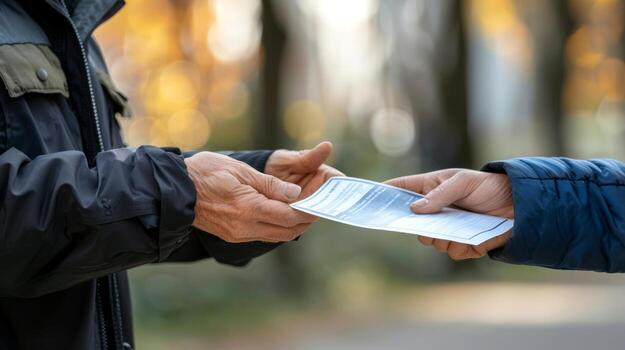
Traditional direct mail gets lost in stacks of bills and junk mail. Newspaper inserts reach fewer households each year as print circulation declines. Digital ads require perfect targeting to avoid wasted spend. Door hanger delivery service campaigns, however, offer unmatched visibility because they’re impossible to ignore—residents must physically remove them to enter their homes.
The open rate for door hangers approaches 100%. Every household in your targeted radius sees your message. Compare that to email marketing’s 20% open rate or direct mail’s even lower engagement, and the value proposition becomes clear.
Cost-effectiveness plays a major role too. Restaurants operating on thin margins need marketing channels that deliver measurable returns. Door hangers typically cost 30-50% less per impression than radius mail campaigns while generating comparable or better response rates. For franchises rolling out campaigns across multiple locations, these savings compound significantly.
Designing Door Hangers That Convert Browsers into Diners
A door hanger’s effectiveness depends entirely on its design and offer. Generic “We’re open!” messages don’t move the needle. What works is specificity: limited-time offers, first-visit discounts, or exclusive neighborhood promotions that create urgency.
The visual hierarchy matters. Your restaurant’s name and cuisine type should be immediately apparent in under two seconds. Humans make snap judgments about whether marketing materials are relevant to them, so clarity beats cleverness every time.
Include these essential elements: a compelling headline, a mouth-watering food photo (professional quality only), a clear offer with expiration date, your address and phone number in large type, and a simple call-to-action. QR codes work well for tech-savvy neighborhoods, linking directly to your online ordering system.
Crafting Offers That Drive Immediate Action
The best restaurant door hanger offers create a sense of urgency without seeming desperate. “20% off your first order this week” outperforms “10% off anytime” because it establishes a deadline. Free appetizers with entree purchases work exceptionally well because they introduce customers to menu items they might not otherwise try.
Franchises should test different offers across territories to identify what resonates locally. A free kids’ meal promotion might crush in suburban family neighborhoods while falling flat in urban areas with fewer children. Data from these tests becomes invaluable for optimizing future campaigns.
Strategic Distribution: Timing and Territory Selection
Restaurants and franchises generate local loyalty most effectively when they target the right neighborhoods at the right times. Distribution timing should align with decision-making windows—typically Tuesday through Thursday afternoons, when households are planning their weekend dining and weeknight meal solutions.
Geographic targeting requires more thought than simply blanketing a three-mile radius. Analyze your current customer base to identify neighborhoods that over-index. Look for areas with demographic profiles matching your ideal customer but where you have minimal current penetration. These represent your highest-opportunity zones.
Flyer distribution campaigns should be coordinated with your operational capacity. There’s no point driving 200 new customers to your door if your kitchen can’t handle the volume. Stagger neighborhood rollouts to manage demand and ensure every new customer has an excellent first experience.
Frequency: The Key to Building Recognition
One-off campaigns rarely build lasting loyalty. The most successful restaurant operators run door hanger campaigns monthly or quarterly in the same neighborhoods, creating familiarity over time. Residents begin to recognize your brand before they ever visit, which significantly lowers the psychological barrier to trying your restaurant.
Seasonal campaigns tied to holidays, local events, or weather patterns can boost effectiveness. A pizza franchise promoting game-day specials before football season or a breakfast cafe highlighting patio dining as spring arrives demonstrates local awareness that resonates with communities.
Measuring ROI and Optimizing Campaign Performance
Tracking door hanger campaign performance requires simple systems. Unique promo codes for each distribution zone let you measure exactly which neighborhoods generate the best response. Many restaurants use different codes for different distribution dates, building a database of neighborhood responsiveness over time.
Calculate your customer acquisition cost by dividing total campaign expenses by the number of new customers who redeem offers. For most restaurants, door hanger campaigns deliver acquisition costs 40-60% lower than digital advertising when targeting local audiences.
Don’t just count first-time visits. Track repeat rates among customers acquired through door hangers versus other channels. Many operators find that customers who discover them through physical neighborhood marketing have higher lifetime values because they’re genuinely local—not tourists or one-time visitors passing through.
Integrating Door Hangers with Digital Loyalty Programs
The most sophisticated restaurant marketers use door hangers as the entry point to digital relationships. Include QR codes that link to loyalty app downloads or email signup pages offering additional incentives. This bridges physical and digital marketing, letting you retarget customers through multiple channels.
Once customers visit using a door hanger offer, capture their information through your POS system or online ordering platform. Add them to neighborhood-specific email lists for future promotions. This creates a compounding effect where each door hanger campaign builds your owned marketing channels.
Social media integration extends campaign reach. Encourage first-time visitors to check in or leave reviews by offering small incentives. User-generated content from local customers provides social proof that attracts their neighbors—people trust recommendations from community members far more than corporate advertising.
Frequently Asked Questions
How often should restaurants run door hanger campaigns?
Quarterly campaigns work well for most restaurants, with monthly distributions in high-opportunity neighborhoods. Avoid oversaturation—hitting the same households more than once monthly typically shows diminishing returns and can create negative brand perception.
What response rate should restaurants expect from door hanger campaigns?
Well-executed campaigns typically generate 2-5% response rates, meaning 20-50 redemptions per 1,000 hangers distributed. Higher-value offers and better-targeted neighborhoods can push response rates above 7%. These rates significantly exceed most digital advertising channels for local businesses.
Are door hangers effective for all restaurant types?
Door hangers work exceptionally well for quick-service restaurants, pizzerias, family dining, and delivery-focused concepts. Fine dining establishments may find better returns with more targeted direct mail to affluent zip codes. The key is matching the marketing channel to your concept and target demographic.
How do franchises maintain brand consistency across door hanger campaigns?
Successful franchises provide approved templates with locked branding elements while allowing local operators to customize offers and contact information. Centralized printing partnerships ensure quality control while still enabling localized distribution strategies based on each territory’s unique characteristics.
What makes door hangers more effective than digital ads for local restaurants?
Physical presence in neighborhoods creates tangible brand awareness that digital ads struggle to match. Door hangers can’t be blocked by ad blockers, don’t require algorithm optimization, and reach households regardless of their social media usage. For restaurants, local visibility translates directly to foot traffic.
Should restaurants design door hangers in-house or hire professionals?
Professional design typically delivers better ROI. Amateur designs often bury key information or use poor-quality images that damage brand perception. The cost difference is minimal—usually $100-300 for professional design—but the performance gap can be substantial, often improving response rates by 30-50%.
Conclusion
Restaurants and franchises generate local loyalty most effectively when they meet potential customers where they live—literally. Door hanger campaigns create unavoidable brand touchpoints in neighborhoods, introducing your restaurant to households during the exact moments they’re making dining decisions. Unlike digital advertising that fights for attention in crowded feeds, physical marketing commands presence through sheer tangibility.
The restaurants winning their local markets aren’t necessarily those with the biggest marketing budgets. They’re the ones building genuine neighborhood connections through consistent, strategic outreach. As digital advertising costs continue rising and effectiveness plateaus, smart operators are rediscovering that sometimes the most powerful marketing technology is a well-designed piece of cardstock hanging on a door handle. The loyalty you build today, one doorstep at a time, becomes the foundation for sustained success tomorrow.