
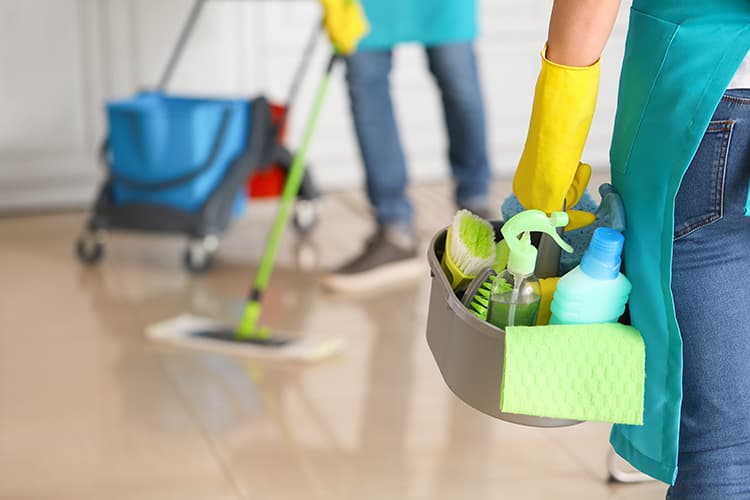
A pristine kitchen is the heart of a healthy home, but achieving true cleanliness goes far beyond a quick wipe-down. Over time, layers of airborne grease, food splatter, and moisture create a tenacious film on every surface, from cabinets to extractor hoods. This buildup isn’t just unsightly; it’s a breeding ground for bacteria and can compromise indoor air quality. For residents and businesses in Dubai, maintaining this level of hygiene requires a strategic approach. This article reveals the professional kitchen sanitization secrets deep cleaning experts employ to dissolve stubborn grease, disinfect thoroughly, and restore kitchens to a state of impeccable, food-safe cleanliness.
The challenge in any kitchen, especially in a vibrant culinary hub like Dubai, is the persistent nature of grease. It polymerizes—hardens into a plastic-like coating—under heat, making standard cleaners ineffective. Professional cleaners don’t just clean; they sanitize and degrease using a combination of industrial-grade products, specialized tools, and systematic techniques designed to tackle problems at their source. Understanding these methods provides valuable insight into maintaining a cleaner kitchen between professional visits and highlights why expert intervention is often the most effective solution.
The Science of Stubborn Grease and Why It Resists Regular Cleaning
Grease accumulation is a chemical process. When cooking oils and fats are heated, they break down and vaporize. These vapors then settle on cool surfaces, where they oxidize and harden. This polymerized grease bonds strongly to surfaces, creating a sticky, hardened layer that traps dirt, dust, and moisture. Standard household cleaners, which are often water-based or mild detergents, cannot break these molecular bonds. They may smear the surface grease but fail to lift it entirely, leaving a residue that attracts more grime.
This is why a sponge and soapy water often feel futile against a greasy range hood or backsplash. The problem is compounded in high-humidity environments, where moisture can cause grease to become tacky and spread more easily. Professional services understand this chemistry, which is the first of their kitchen sanitization secrets deep cleaning protocols. They begin with a precise assessment to identify the type of grease (animal fat, vegetable oil, combined residues) and the surfaces affected, as this dictates their entire cleaning strategy.
The Professional Arsenal: Tools and Solutions for Deep Degreasing
The right tools make the difference between a surface clean and a deep sanitization. Professionals use equipment that delivers powerful cleaning action without damaging surfaces.
High-Temperature Steam Cleaners
Steam cleaning is a cornerstone of professional sanitization. These machines produce superheated, pressurized vapor that serves two critical functions. First, the intense heat melts and loosens polymerized grease, breaking its bond with the surface. Second, the high temperature (typically above 212°F or 100°C) is lethal to most bacteria, viruses, and mold spores, providing a chemical-free sanitization. Steam is particularly effective on grout lines, oven interiors, and intricate range hood filters.
Industrial-Grade Degreasing Agents
Unlike store-bought sprays, professional degreasers are formulated with powerful, yet often eco-friendlier, solvents and emulsifiers. These solutions are designed to penetrate the grease layer, surround its molecules, and suspend them in solution so they can be wiped away. Many top-tier services, such as Deep Cleaning Services Dubai, use biodegradable, food-safe degreasers that are tough on grime but safe for food preparation areas and the environment. The application method is also key; degreasers are often left to dwell for several minutes to fully penetrate before agitation.
Microfiber Technology and Agitation Tools
After applying a degreaser, agitation is necessary. Professionals use a variety of scrubbing tools, from non-abrasive pads for stainless steel to stiff-bristled brushes for textured tiles. The final wipe-down is almost exclusively done with high-quality microfiber cloths. These cloths have a static charge that attracts and holds dust, grease particles, and bacteria, rather than pushing them around like traditional cotton rags. Different weave weights are used for drying, polishing, and disinfecting.
A Step-by-Step Breakdown of the Professional Deep Cleaning Process
The effectiveness of a deep clean lies in its systematic execution. Professionals follow a meticulous, multi-stage process to ensure no area is overlooked.
- Pre-Cleaning Assessment and Preparation: The team moves all movable items, protects adjacent areas, and identifies focus zones. They often pre-treat the heaviest grease deposits with a degreaser to begin the penetration process.
- Dry Removal and Vacuuming: Loose debris, crumbs, and dust are removed with a HEPA-filter vacuum. This prevents creating muddy, greasy paste when wet cleaning begins.
- Primary Degreasing: The appropriate degreaser is applied to all surfaces—cabinets (especially the tops, which are grease magnets), walls, backsplashes, and appliances. For extractor hoods and filters, these are often soaked in a dedicated degreasing bath.
- Agitation and Detail Cleaning: Each surface is scrubbed according to its material. Cooktops are detailed, oven interiors are scrubbed (and often steam-cleaned), and light fixtures are wiped down.
- Sanitization Rinse: Grease-free surfaces are then wiped with clean water or a sanitizing solution to remove any cleaning residue. This step is crucial for food safety.
- Drying and Polishing: All surfaces are hand-dried and polished with clean microfiber to prevent water spots and streaks, leaving a spotless finish. The team then reassembles the kitchen, returning items to their clean places.
This thorough approach ensures that what looks clean is also hygienically clean. It’s this rigorous methodology that defines a true deep clean, transforming a kitchen from simply tidy to professionally sanitized.
Beyond the Obvious: Hidden Areas Professionals Never Miss
A true deep clean targets the hidden grease reservoirs that standard cleaning misses. These areas contribute significantly to lingering odors and potential pest attraction.
- The Tops of Upper Cabinets and Fridges: This horizontal surface is a primary landing strip for airborne grease, collecting a thick, dusty layer that goes undisturbed for years.
- Behind and Under Appliances: Pulling out the refrigerator, oven, and dishwasher reveals walls and floors typically coated in spills and grime.
- Ventilation Ducts and Hood Interiors: While filters are cleaned, the interior ducting of the extractor fan can harbor significant grease, which is a fire hazard. Professionals have the tools to clean these accessible portions.
- Switch Plates, Door Handles, and Knobs: These high-touch points are cross-contamination hotspots and are thoroughly disinfected.
- Sink Overflows and Drains: Organic buildup in these areas is sanitized to eliminate odors and bacteria.
Addressing these zones is what separates a superficial tidy from a comprehensive kitchen sanitization secrets deep cleaning service. It ensures the entire environment is addressed, not just the visible planes.
Maintaining a Sanitized Kitchen Between Professional Services
Following a professional deep clean, maintaining that standard is easier. Key habits can prolong the results and support a healthier kitchen. Wipe down splatters on the cooktop and backsplash daily before they bake on. Use degreasing wipes or a mild solution on exterior cabinet fronts and appliances weekly. Change or clean your range hood filters monthly, as recommended by the manufacturer. Most importantly, schedule regular professional maintenance. Engaging a service like Deep Cleaning Services Dubai for quarterly or bi-annual deep cleans prevents grease from reaching an unmanageable state, making each visit quicker and more cost-effective while ensuring consistently high hygiene standards.
Frequently Asked Questions
How often should I get a professional kitchen deep clean?
For an average household that cooks regularly, a professional deep clean every 3 to 6 months is recommended. High-use environments like rental properties or frequent entertainers may benefit from quarterly services, while commercial kitchens require monthly or even weekly schedules.
Are the chemicals used in deep cleaning safe for my family and pets?
Reputable companies prioritize the use of food-safe, eco-friendly, and biodegradable cleaning agents. These solutions are powerful against grease but designed to break down safely, leaving no toxic residues. Always ask your service provider about the products they use to ensure they align with your safety standards.
Can deep cleaning damage my kitchen surfaces or appliances?
Professional cleaners are trained to identify surface materials—whether granite, stainless steel, sealed wood, or glass—and use the appropriate tools and techniques for each. Their methods, like steam cleaning, are often gentler than harsh abrasive scrubbing, actually preserving the longevity of your surfaces.
What is the difference between deep cleaning and sanitization?
Cleaning removes visible dirt, grease, and grime. Sanitization is the process that follows, reducing bacteria and pathogens on cleaned surfaces to a safe level, as determined by public health standards. A true professional service always includes both steps: a deep degreasing clean followed by a verified sanitization process.
Do I need to be home during the deep cleaning service?
It is not necessary, but it can be helpful for the initial walk-through. Most companies are fully insured and trustworthy, allowing you to provide access instructions. Being absent often allows the team to work more efficiently without interruption.
Will a deep clean eliminate kitchen odors?
Persistent kitchen odors are often caused by grease and organic matter trapped in hidden areas (like hood ducts, behind appliances, or in drains). A comprehensive deep clean targets these exact sources, so a significant reduction or elimination of odors is a common and welcome result.
Conclusion
Achieving a genuinely sanitized kitchen requires moving beyond surface-level wiping to attack the root cause of grime: polymerized grease. The kitchen sanitization secrets deep cleaning professionals use revolve around a scientific understanding of grease, the application of industrial-strength tools and solutions, and a relentless focus on the hidden areas that harbor bacteria and odors. This systematic approach transforms a kitchen from a potentially hazardous area into a safe, hygienic, and pleasant space for cooking and gathering.
For residents and businesses in Dubai, partnering with a professional service ensures this high standard is met consistently. It invests not only in the appearance and longevity of your kitchen but, more importantly, in the health and well-being of everyone who uses it. A truly clean kitchen is the foundation of a clean home, and with the right knowledge and professional support, it is an entirely attainable standard.