

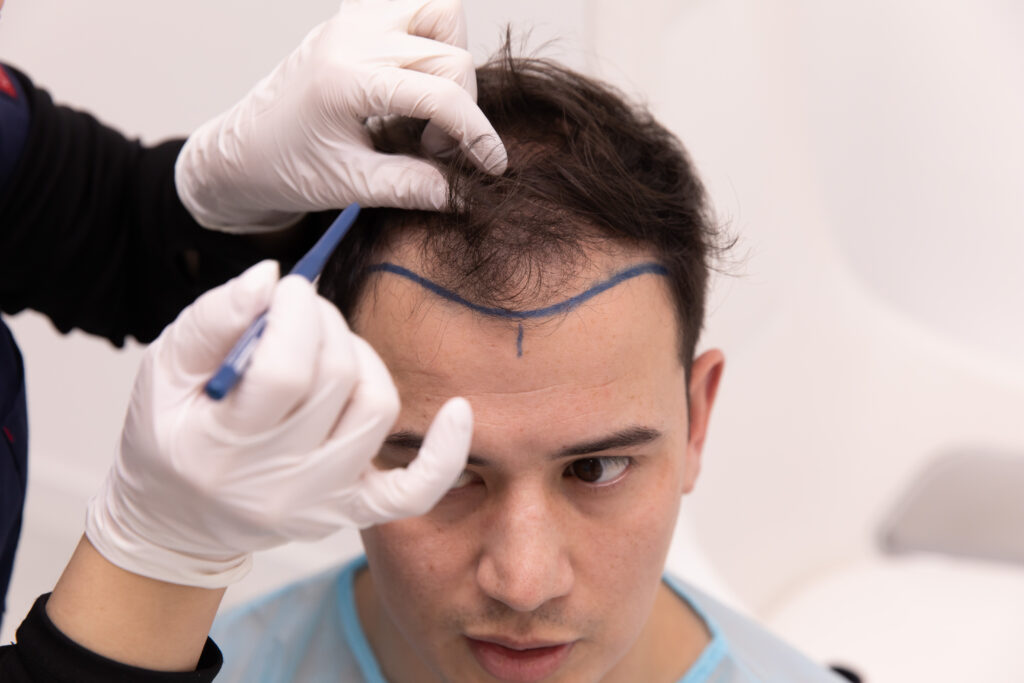
Deciding to pursue a hair transplant is a significant step towards embracing yourself and addressing your hair loss concerns. However, it’s not just about regaining hair; the design of a natural hairline plays a crucial role in the overall success and aesthetic result of the procedure. This article aims to shed light on the art of the hair transplant, focusing particularly on the design of a natural hairline.
Understanding Hair Transplantation
Before delving into the intricacies of hairline design, it’s important to first understand the hair transplant process. A hair transplant is a surgical procedure that involves moving hair follicles from one part of the body (typically the back or sides of the scalp) to the balding or thinning areas. It’s a popular remedy for hair loss due to factors such as genetics, hormonal changes, or aging.
There are two main types of hair transplant procedures: Follicular Unit Transplantation (FUT) and Follicular Unit Extraction (FUE). Regardless of the method used, the goal of a hair transplant is to restore hair growth and create a hairline that complements the individual’s facial structure and age, thereby imparting a natural look.
The Importance of a Natural Hairline
One of the distinguishing features of a successful hair transplant is a natural-looking hairline. The hairline serves as the frame for your face. It’s one of the first things people notice about you, and it can significantly impact your overall appearance.
A well-designed hairline doesn’t draw attention to itself. Instead, it blends seamlessly with your features, enhancing your look without making it apparent that you’ve had a transplant. Achieving this natural look requires careful planning, artistic skill, and a thorough understanding of the individual’s unique facial features.
Designing a Natural Hairline: Key Considerations
Several factors come into play when designing a natural hairline. Each aspect needs to be carefully considered to ensure the final result looks as natural as possible. A few key considerations include:
- Facial symmetry: A good hairline complements your facial symmetry. It should be designed in accordance with the shape and proportions of your face.
- Age-appropriate design: As you age, your hairline naturally recedes. Therefore, a hairline that looks natural for a 20-year-old may seem out of place on a 60-year-old. The design must be age-appropriate to maintain a natural appearance.
- Individual’s ethnicity: Hairline characteristics can vary greatly among different ethnicities. A skilled surgeon will take into account these variations when designing a natural hairline.
- Personal preferences: While professional advice is crucial, your personal preferences should also be considered. After all, you need to be comfortable with your new look.
Gradual Transition: The Key to a Natural Hairline
A crucial element in designing a natural hairline is the transition from the forehead to the scalp. In a natural hairline, this transition is gradual, with hair density increasing progressively from the hairline to the interior scalp.
A skilled surgeon will replicate this pattern by placing single hair grafts at the front of the hairline, followed by grafts with two or three hairs, and finally, grafts with four or more hairs. This arrangement achieves the gradual transition that’s characteristic of a natural hairline, enhancing the overall look of the hair transplant UK procedure.
Conclusion
Designing a natural hairline is both a science and an art. It requires a deep understanding of facial structures, hair growth patterns, and individual preferences. When done correctly, it can significantly enhance the results of a hair transplant, providing a natural, youthful appearance that blends seamlessly with your features.
While the decision to undergo a hair transplant is a personal one, it’s crucial to choose a surgeon who understands the importance of a natural hairline and has the skill to create one that complements your features and age. With the right planning and expertise, a hair transplant can not only restore hair growth but also boost your confidence and improve your quality of life.
FAQs
What is a hair transplant?
A hair transplant is a surgical procedure that involves moving hair follicles from a part of the body with dense hair growth (the donor site) to a balding or thinning area (the recipient site).
How does a natural hairline enhance the results of a hair transplant?
A natural hairline complements the individual’s facial features and age, providing a seamless, unnoticeable transition from the forehead to the scalp. It enhances the overall aesthetic result of the hair transplant, giving a more youthful and natural appearance.
What factors are considered when designing a natural hairline?
Several factors are considered, including facial symmetry, age, ethnicity, and personal preferences. The goal is to create a hairline that blends naturally with the individual’s features and looks age-appropriate.